1. Graphite Classification and Characteristics
1.1 Natural Graphite
Natural graphite is formed from carbon-rich organic matter under long-term exposure to high temperature and pressure in geological environments; it is a crystallization of nature. The processing characteristics of natural graphite mainly depend on its crystal morphology. Minerals with different crystal morphologies have different industrial values and uses. There are many types of natural graphite. Based on different crystal morphologies, industrially, natural graphite is divided into three categories: dense crystalline graphite, flake graphite, and cryptocrystalline graphite. In my country, there are mainly two major categories: flake graphite and cryptocrystalline graphite.
1.2 Artificial Graphite
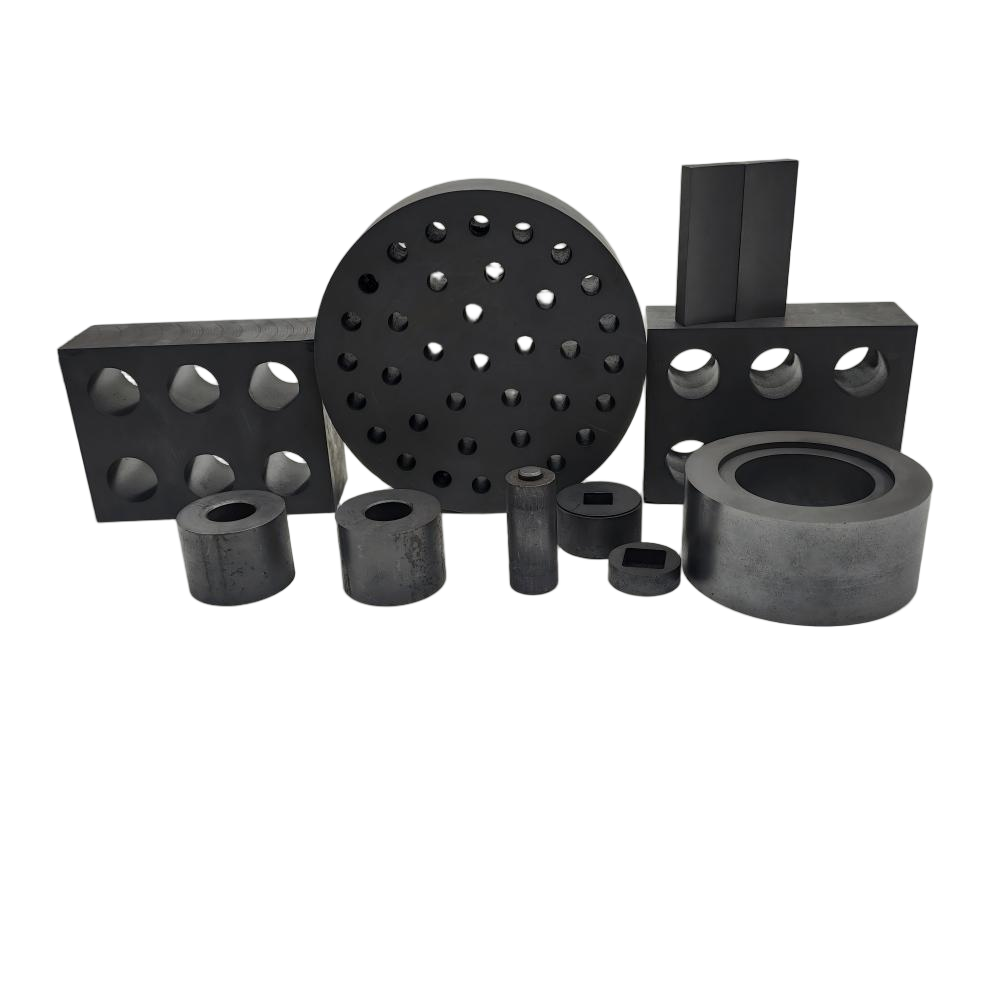
Artificial graphite is similar to polycrystalline materials in crystallography. There are many types of artificial graphite, and their production processes vary greatly. Broadly speaking, all graphite materials obtained through the carbonization of organic matter followed by high-temperature graphitization can be collectively referred to as artificial graphite, such as carbon (graphite) fiber, pyrolytic carbon (graphite), and foamed graphite. In a narrow sense, artificial graphite usually refers to a blocky solid material produced using carbonaceous raw materials with low impurity content (petroleum coke, pitch coke, etc.) as aggregates and coal tar pitch as binders, through processes such as batching, mixing, molding, carbonization (industrially known as calcination), and graphitization. Examples include graphite electrodes and hot isostatic pressing graphite.
2. Differences and Connections between Natural Graphite and Artificial Graphite
Given that the artificial graphite produced from natural graphite is usually in the narrow sense, this analysis will focus on the differences and connections between natural graphite and artificial graphite in this narrow sense.
2.1 Crystal Structure
Natural Graphite: Crystal development is relatively complete. The graphitization degree of flake graphite is above 98%, while the graphitization degree of natural microcrystalline graphite is usually below 93%.
Artificial Graphite: The degree of crystal development depends on the raw materials and heat treatment temperature. Generally, the higher the heat treatment temperature, the higher the degree of graphitization. Currently, the graphitization degree of industrially produced artificial graphite is usually below 90%.
2.2 Microstructure
Natural flake graphite: A single crystal with a relatively simple microstructure, containing only crystallographic defects (such as point defects, dislocations, stacking faults, etc.), exhibiting anisotropic characteristics macroscopically. Natural microcrystalline graphite has smaller grains, randomly arranged grains, and pores after impurity removal, exhibiting isotropic characteristics macroscopically.
Artificial graphite: Can be considered a multiphase material, including the graphite phase transformed from carbonaceous particles such as petroleum coke or pitch coke, the graphite phase transformed from coal tar binder surrounding the particles, and pores formed after particle accumulation or heat treatment of coal tar binder.
2.3 Physical Morphology
Natural graphite: Usually exists in powder form and can be used alone, but is usually used in combination with other materials.
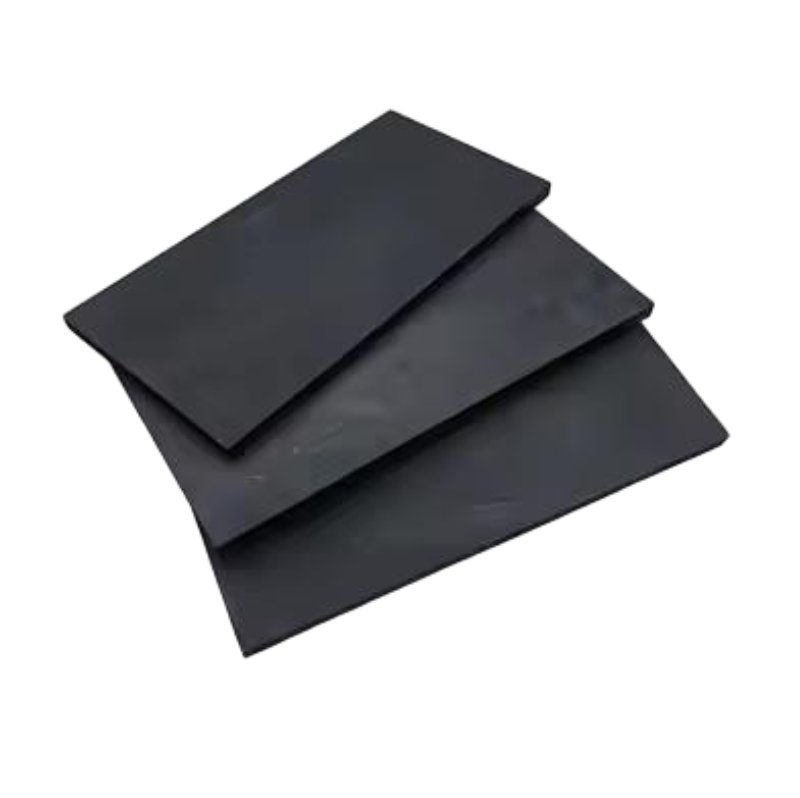
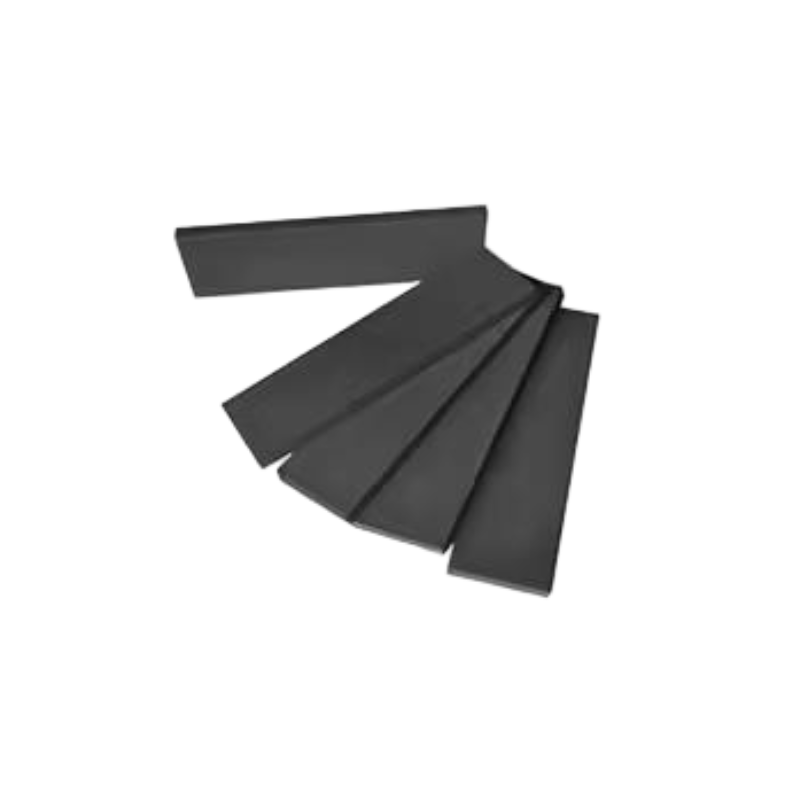
Artificial graphite: Has various forms, including powder, fibrous, and block forms, but in a narrow sense, artificial graphite is usually in block form and needs to be processed into a specific shape for use.
2.4 Physicochemical Properties
In terms of physicochemical properties, natural graphite and artificial graphite share some commonalities but also exhibit differences. For example, both natural and artificial graphite are good conductors of heat and electricity. However, for graphite powders of the same purity and particle size, natural flake graphite has the best thermal and electrical conductivity, followed by natural microcrystalline graphite, with artificial graphite having the lowest. Graphite possesses good lubricity and a certain degree of plasticity. Natural flake graphite, with its more developed crystal structure, has a lower coefficient of friction, resulting in the best lubricity and highest plasticity. Dense crystalline graphite and cryptocrystalline graphite are next, while artificial graphite is the worst.
3. Application Areas of Natural and Artificial Graphite
Graphite possesses many excellent properties, thus finding wide application in metallurgy, machinery, electrical engineering, chemical industry, textiles, and defense industries. The application areas of natural and artificial graphite overlap to some extent, but also differ.
3.1 Metallurgical Industry
In the metallurgical industry, natural flake graphite, due to its good oxidation resistance, can be used to produce refractory materials such as magnesia-carbon bricks and alumina-carbon bricks. Artificial graphite can be used as electrodes in steelmaking, while electrodes made from natural graphite are difficult to use in the demanding operating conditions of electric steelmaking furnaces.
3.2 Machinery Industry
In the machinery industry, graphite materials are commonly used as wear-resistant and lubricating materials. Natural flake graphite has good lubricity and is often used as an additive in lubricating oils. Equipment transporting corrosive media widely uses piston rings, seals, and bearings made from artificial graphite, which do not require the addition of lubricating oil during operation. Composite materials of natural graphite and polymer resins can also be used in these fields, but their wear resistance is not as good as that of artificial graphite.
3.3 Chemical Industry
Artificial graphite has characteristics such as corrosion resistance, good thermal conductivity, and low permeability, and is widely used in the chemical industry to manufacture equipment such as heat exchangers, reaction tanks, absorption towers, and filters. Composite materials of natural graphite and polymer resins can also be used in these fields, but their thermal conductivity and corrosion resistance are not as good as those of artificial graphite.