

Performance Showdown: Why Graphite Molds Are the New Choice for High-End Manufacturing
The global mold market is undergoing a structural transformation in 2025. According to the latest report from the International Association of Mold, Hardware and Plastic Industry Suppliers (IMHX), the penetration rate of graphite molds in high-end manufacturing has risen from 18% in 2023 to 32% in 2025, while the market share of traditional steel molds has dropped by 9 percentage points year-on-year. Behind this data lies the significant advantages of graphite materials in core performances such as high temperature resistance and precision molding, which are driving a production revolution in industries including automotive, semiconductor, and aerospace.
Core Performance PK: Graphite Molds vs. Traditional Steel Molds
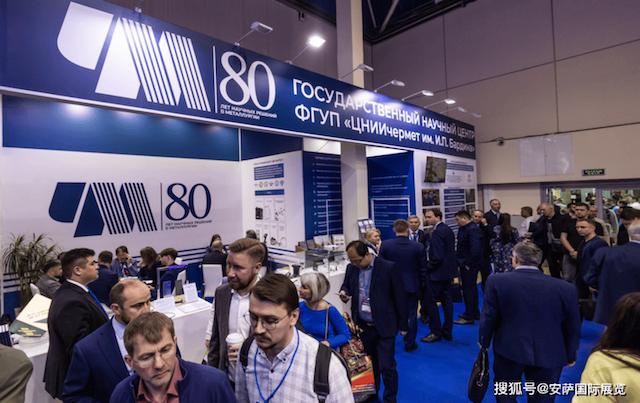
At the International Precision Manufacturing Exhibition (PrecisionTech 2025) held in Munich, Germany in December, a "mold performance challenge" intuitively demonstrated the gap between the two. Test data showed that in a 1600℃ aluminum alloy die-casting scenario, traditional H13 steel molds exhibited 0.3mm deformation after 8 hours of continuous use, with surface roughness increasing to Ra1.2μm; in contrast, molds made of high-purity graphite parts only had a deformation of 0.05mm after 12 hours of continuous operation, maintaining surface roughness below Ra0.4μm without the need for frequent cooling and maintenance.
"In the past, when producing aero-engine blades, steel molds needed to be replaced every 50 castings. Now, with graphite molds, this can be extended to 300 times, reducing overall costs by 40%," said the technical director of an aerospace manufacturing enterprise at the exhibition. In addition, the lightweight characteristic of graphite molds is also highly favored—with the same size, graphite molds weigh only 1/5 of steel molds, significantly reducing the mechanical load of automated production lines and lowering equipment failure rates by 25%.
Application Expansion: Comprehensive Penetration from Semiconductors to New Energy
In the semiconductor field, wafer carriers made of isostatic graphite have become the mainstream choice. Data from a TSMC factory shows that after using isostatic graphite carriers, the transmission accuracy error of 12-inch wafers is controlled within ±0.01mm, a 60% improvement compared to ceramic carriers, and chip yield has increased by 8%. The ultra-low impurity content (≤3ppm) of this material can effectively avoid metal ion contamination of wafers during high-temperature processes, meeting the requirements of 7nm and below advanced manufacturing processes.
The boom in the new energy industry has further driven the surge in demand for graphite molds. In the lithium battery pole piece forming process, traditional rubber molds are prone to edge overflow, resulting in a scrap rate as high as 12%; in contrast, graphite molds can achieve burr-free forming of pole piece edges through laser-engraved microstructured patterns, reducing the scrap rate to below 3%. A leading power battery enterprise revealed that after switching to graphite molds, the daily production capacity of its production line has increased by 12,000 pieces, saving over 20 million yuan annually.
Solving Industry Pain Points: Customization Services Accelerate Market Replacement
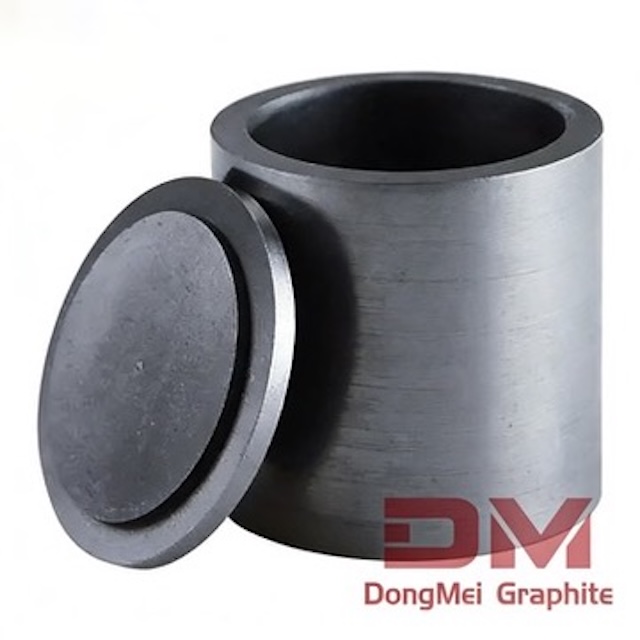
Despite their obvious advantages, the customization demand for graphite molds was once an industry pain point—traditional processing cycles lasted 20-30 days, making it difficult to match the rapid iteration rhythm of manufacturing. Today, leading enterprises have shortened the customization cycle to 7-10 days through a combined process of "3D printing + CNC precision finishing". A graphite mold manufacturer has launched a "one-stop solution" that can simultaneously complete the entire process of mold design, material selection, and performance testing based on the part drawings provided by customers, along with a 1-year free maintenance service.
This efficient service model is gaining recognition in the international market. In the third quarter of 2025, China's exports of graphite molds to Europe increased by 58% year-on-year, with German automakers accounting for 35% of purchases. "Graphite molds not only solve our production efficiency issues but also their recyclable nature complies with EU carbon reduction requirements," said a procurement manager at Bosch Group. After purification treatment, the material recovery rate of waste graphite molds can reach 80%, helping enterprises reduce their carbon footprint.
Future Trends: Material Innovation Drives Further Performance Breakthroughs
Industry experts predict that graphite molds will develop towards "higher performance and smarter" directions in 2026. On one hand, the research and development of graphene composite graphite materials have achieved breakthroughs, with their flexural strength 40% higher than traditional graphite, meeting the needs of extreme scenarios such as aero-engine combustion chambers; on the other hand, intelligent graphite molds equipped with temperature and pressure sensors will achieve mass production, optimizing the molding process through real-time data feedback to further improve product consistency.
As global manufacturing transforms towards "high-precision and advanced technology", the market replacement process of graphite molds will continue to accelerate. As noted in the IMHX report: "In the next 5 years, graphite molds will dominate the high-end mold market and become one of the core indicators to measure the technological competitiveness of manufacturing enterprises."